 2 Spaces Remain
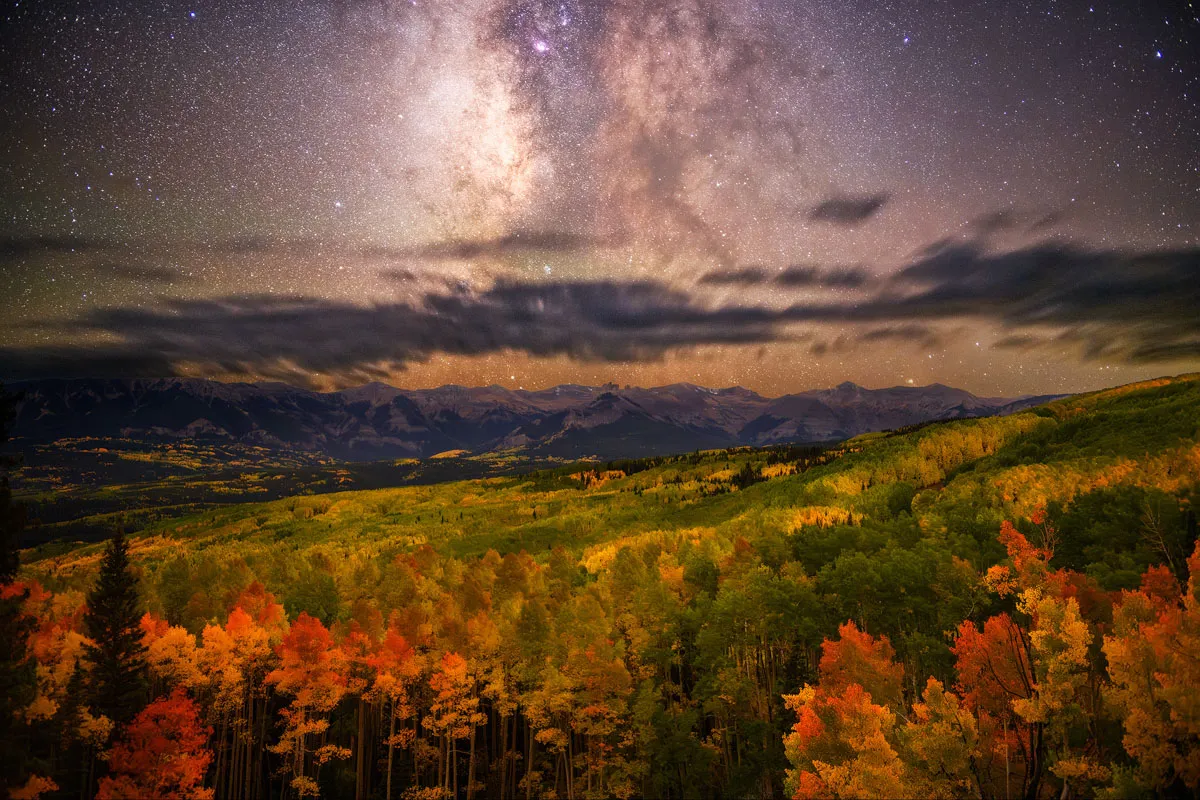
Fall Colors, Moonlight and the Milky Way
Photograph peak autumn color beneath mountain skies, with three field sessions, a sunrise, classroom instruction, and guided post-processing.
Sep 29 – Oct 3, 2026
A practical guide for photographers
The best workshop is more than a beautiful destination. It gives you enough time in the field, personal instruction when the light changes, and a complete process for planning, capturing, and finishing your own night photographs.
01 / Choosing a Workshop
A photo tour can get you to a beautiful place. A strong workshop should also help you become more capable when you return home and photograph the night sky on your own.
Student-To-Instructor Ratio
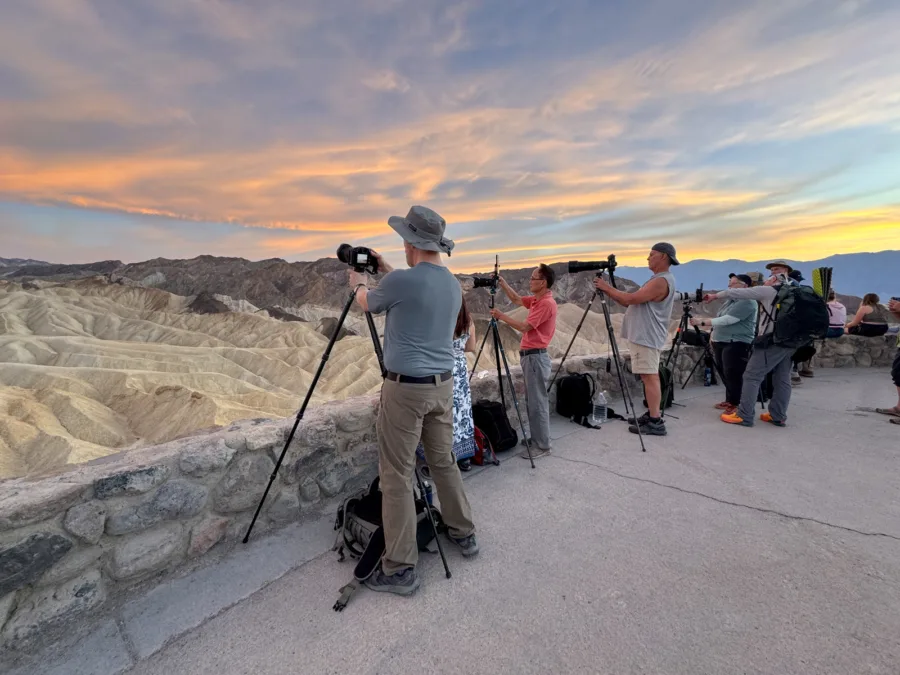
Night photography problems happen quickly. Focus can shift, compositions can become crowded, and small exposure mistakes may not be obvious until later. A small group gives the instructor time to check individual cameras and respond while the conditions are still happening.
Why The Dates Were Selected
The moon is not simply good or bad for astrophotography. New moon creates darker skies, while carefully timed moonlight can illuminate a landscape and add depth to the foreground. The schedule should fit the creative goals of the workshop.
Learning Continues After Capture
Camera settings are only the beginning. A complete workshop should address planning, composition, focusing in darkness, exposure strategy, panoramic capture, image selection, noise reduction, blending, and post-processing.
The Actual Rhythm Of Each Day
All-night sessions require recovery time. Look for realistic rest periods, flexible plans for weather, classroom work scheduled around field sessions, and lodging or transportation details that are clearly explained before registration.
02 / Current Opportunities
These small-group programs are organized and taught by Goldpaint Photography. Complete itineraries, prices, inclusions, policies, and registration are maintained on the official Goldpaint workshop pages.
2 Spaces Remain
Photograph peak autumn color beneath mountain skies, with three field sessions, a sunrise, classroom instruction, and guided post-processing.
 Pre-Register Free
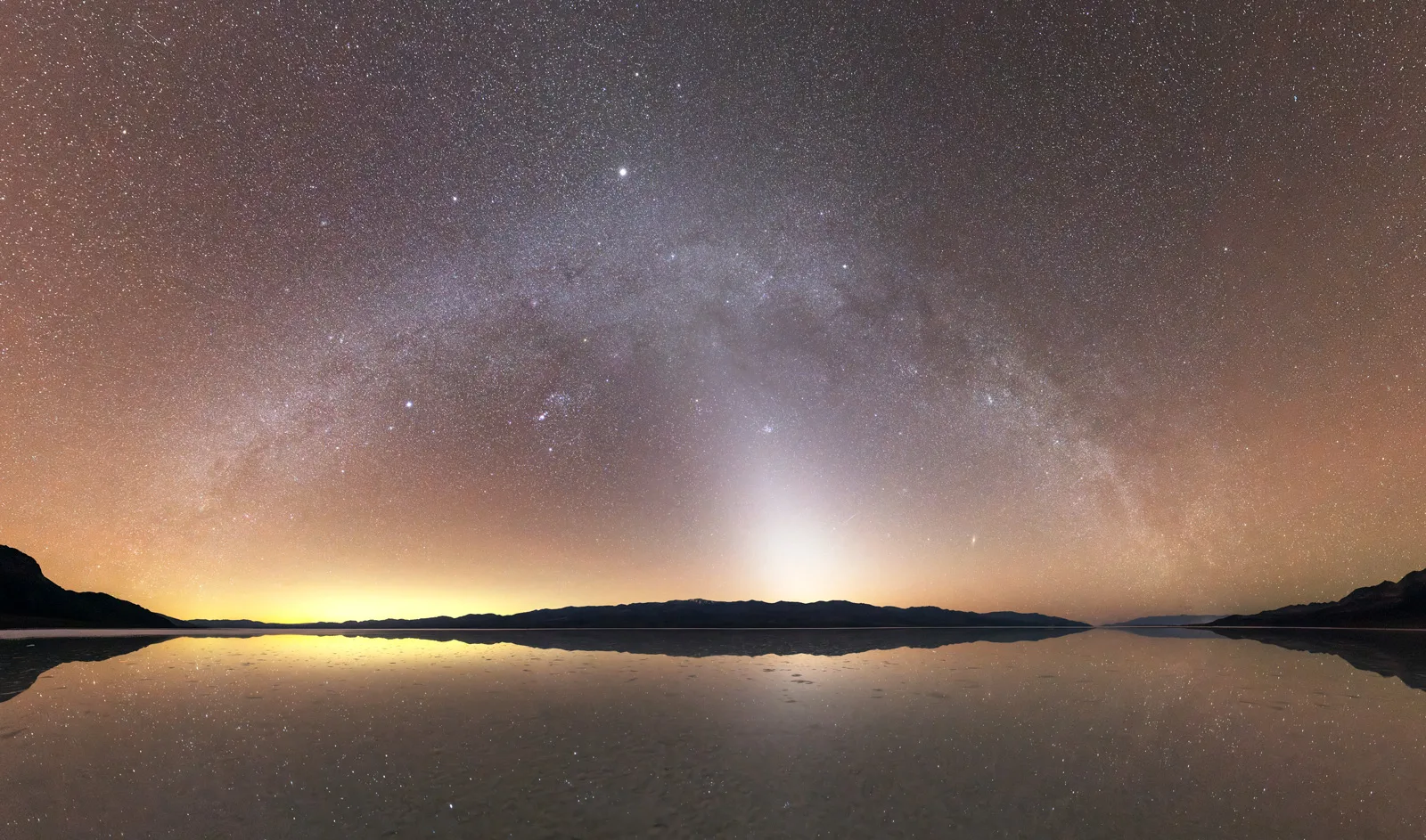
Photograph dunes, salt flats, colorful badlands, moonlit landscapes, and the Milky Way, with two instructors and private lodging inside the park.
 Sold Out
An extended workshop with three all-night sessions, two sunrise sessions, two post-processing labs, and private lodging inside the park.
Goldpaint workshops are scheduled around seasonal landscapes, dark skies, moonlight, and the Milky Way. Visit the official schedule for newly announced programs and availability changes.
 Student-First Instruction
03 / A Different Teaching Model
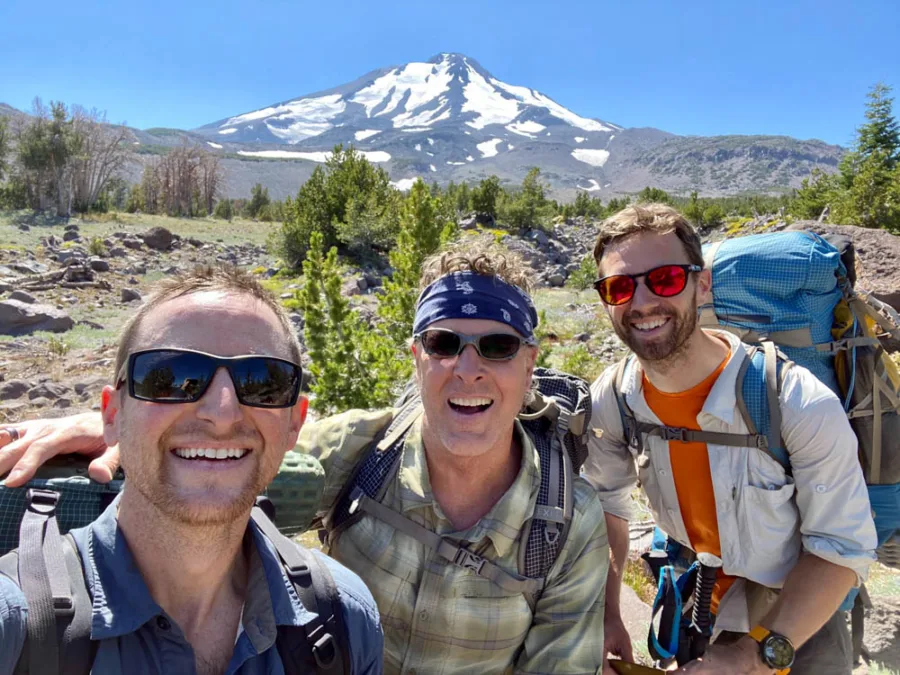
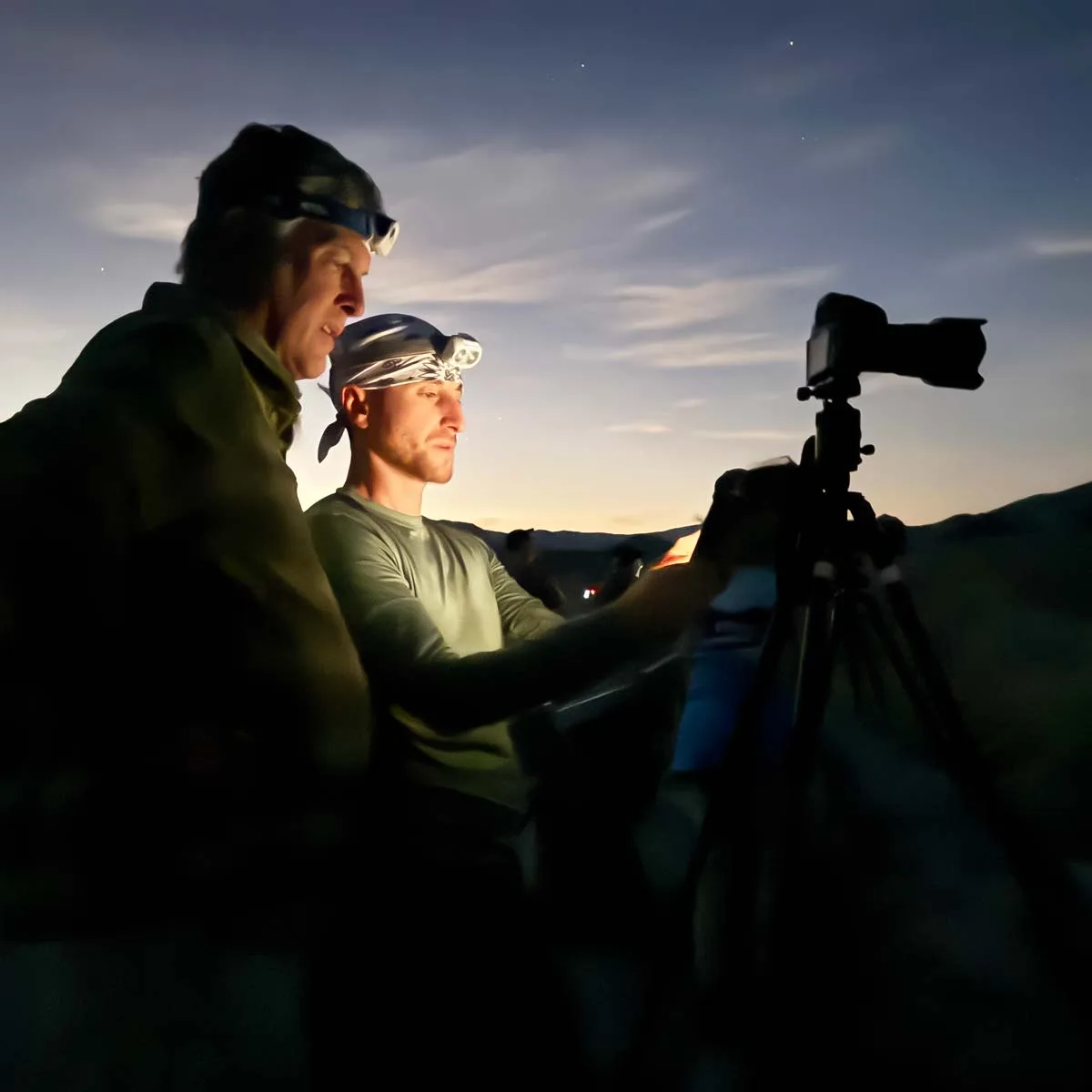
Brad Goldpaint has taught photographers to capture the night sky since 2012. During a workshop, he and his co-instructors do not bring their own cameras. Their attention remains on your composition, settings, questions, safety, and creative progress.
That commitment turns a beautiful trip into an actual learning experience.
01
Six participants with one instructor, or eight with two — never more.
02
Planning, field capture, and post-processing instruction, start to finish.
03
A comprehensive printed workshop booklet to keep and reference later.
04
Guidance for beginners through experienced photographers alike.
05
Each location is selected for composition, access, and distance from light pollution — Bortle 1 to 3 skies among the darkest left in the Western US.
04 / From Past Participants

“Brad is the best night photography workshop instructor I’ve ever had. His in-field guidance, organized locations, and detailed post-processing materials made this the most valuable workshop I’ve attended.”
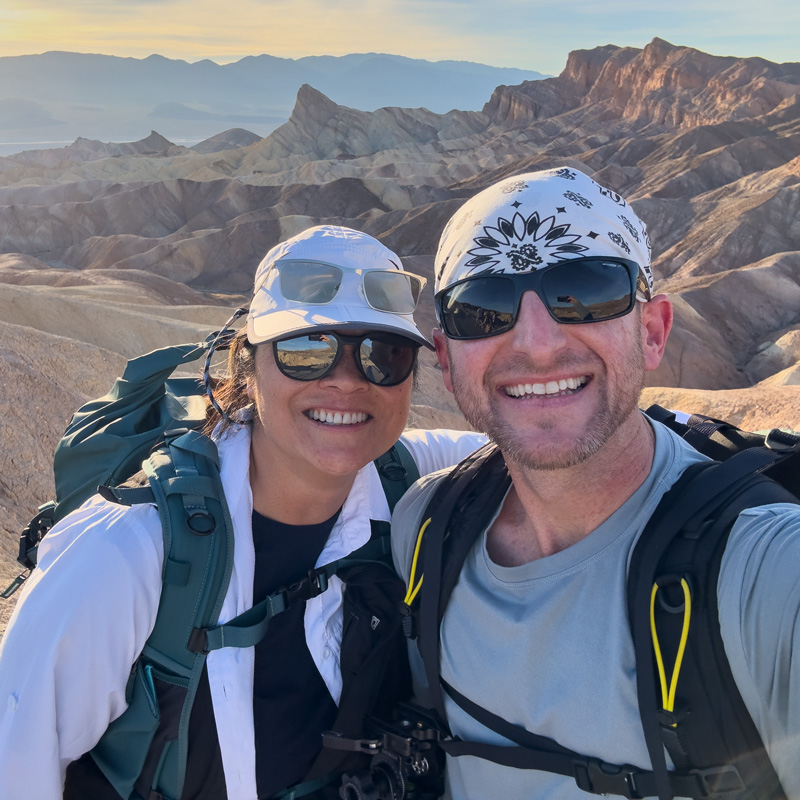
“I just wrapped up my 2nd photography workshop with Brad, and it was even better than the first. Brad is a truly exceptional instructor: prepared, thoughtful, kind, fun, incredibly patient, and able to meet every student exactly where they are while helping them grow their skills and confidence.”

“Brad is one of the best, most patient teachers I know. His combination of fantastic locations, gentle guidance during shooting, and hugely informative post-processing sessions can’t be beat. He keeps his workshops small, never brings his camera, and always keeps his good humor, even at 4 o’clock in the morning.”
05 / Questions To Consider
These are the practical questions worth answering before committing to any multi-day astrophotography workshop.
Yes, when the workshop includes foundational instruction and maintains a small group. Beginners should receive help with equipment, manual exposure, focusing in darkness, composition, and basic post-processing. Experienced photographers should still have room to explore panoramas, exposure blending, stacking, and more advanced editing.
No. The result depends on the moon’s phase, position, brightness, and timing. New moon offers the darkest conditions. Carefully timed moonlight can illuminate a landscape naturally, reveal color and texture in the foreground, and then set before the darkest portion of the night.
Look for instruction in planning applications, weather, camera settings, manual focus, composition, exposure bracketing, panoramic capture, foreground strategy, image organization, RAW development, exposure blending, noise reduction, and final color. A workshop should help you understand why a technique works, not just provide settings to copy.
Smaller groups make it easier for instructors to see what each photographer is doing and provide help before conditions change. Goldpaint workshops use six participants with one instructor or eight participants with two instructors.
A tour may emphasize access to destinations and shooting opportunities. A workshop should place equal emphasis on learning. That includes preparation before the trip, coaching in the field, time to review images, structured post-processing instruction, and resources you can use later.
Find Your Next Night Under The Stars
Continue to Goldpaint Photography for the official workshop schedule and full program details.
Explore Goldpaint Workshops